Salt Lake County
Roofing
The Salt Lake County hub: every published city page in the county, plus what elevation, wind, and exposure actually change about a roof here. Free inspections, licensed and insured in Utah.
Roofing Across Salt Lake County
Eighteen Salt Lake County cities have published location pages on this site, and the roofing conditions across them are not interchangeable. The county spans roughly 560 feet of elevation from Magna's valley floor to Herriman's bench, and the weather follows that gradient closely.
Frame Restoration Utah is a licensed Utah roofing contractor (Utah DOPL #14256097-5501), BBB Accredited, based at 142 S Main St in Heber City. Roof inspections are free throughout our service area, and qualifying work carries a 10-year workmanship warranty. This page is the Salt Lake County hub: the published city pages below, plus what is actually different about roofing here.
East Bench and Valley Floor Are Two Different Roofs
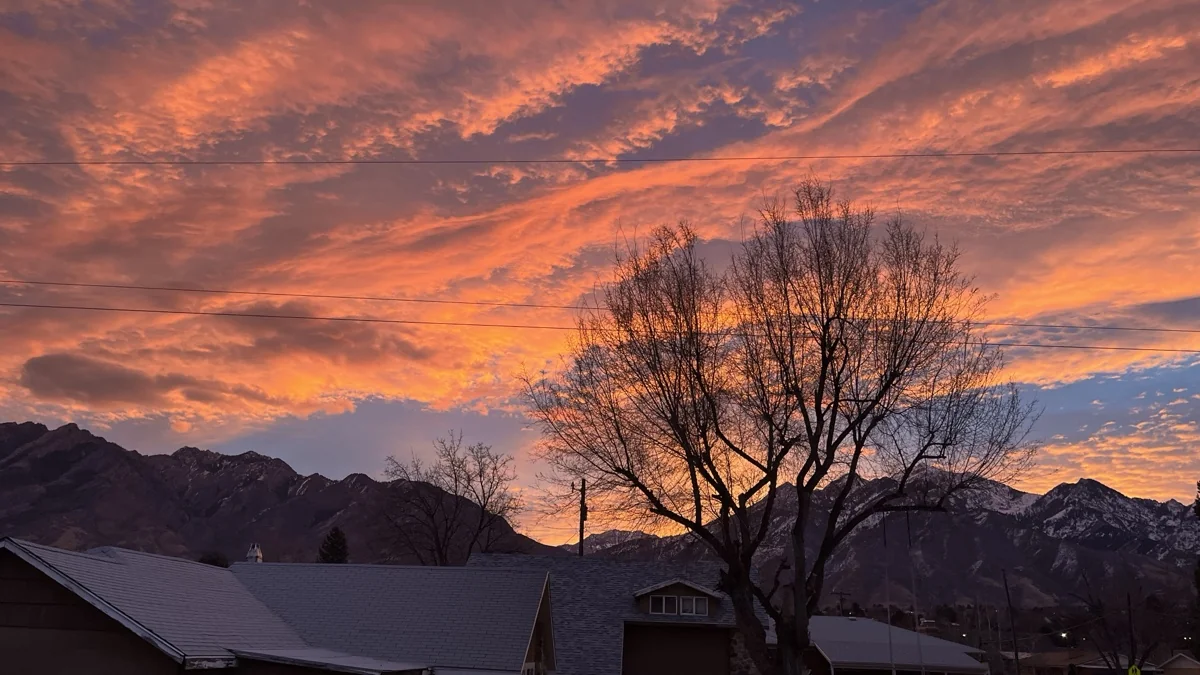
The single most useful distinction in Salt Lake County is east versus west. Homes on the east bench, below the Wasatch and near the canyon mouths, catch intensified mountain-effect precipitation and canyon-channelled winds. Homes on the flatter western side of the valley experience broader valley weather patterns and open-flat wind exposure instead.
Sandy illustrates it inside one city boundary: its broad east-west span creates distinct weather zones, with east-bench neighbourhoods climbing toward the Wasatch near Little Cottonwood Canyon while western Sandy sits in the general valley pattern. Cottonwood Heights sits below Mt. Olympus and the canyon mouths, at 4,830 feet — the kind of position where wind and hail damage concentrates. The practical consequence is that material choice and fastening pattern should follow where in the county the home actually sits, not a county-wide default.
The Point of the Mountain
Draper straddles the valley's southern corridor, where storm systems arriving from the south and from the west converge. The Point of the Mountain generates turbulent wind patterns that can peel shingles and drive rain under flashing, and Draper's eastside neighbourhoods at higher elevations face additional snow exposure on top of that. High-wind-rated shingles are the baseline answer in that corridor rather than an upgrade.
Draper is also the one city in our Salt Lake County set that extends into Utah County, which is worth knowing if you are comparing permit jurisdictions across a property line.
Hail Is the County's Recurring Event
Salt Lake County's hail exposure is routine rather than exceptional, and it is the reason Class 4 impact-resistant shingles come up in so many conversations here. Hail damage is also the category most often missed from the ground: dimpling on a shingle field, bruised mats, and damaged soft metals read as nothing in particular from a driveway. A documented photo inspection is how it gets established. Coverage and claim decisions remain with the homeowner, carrier, and licensed insurance professionals — our part is the roof and the documentation.
Housing Stock Is Reaching Reroof Age Together
Much of the county's suburban housing went up in overlapping waves, which means large neighbourhoods are arriving at reroof age at roughly the same time. That has two consequences for homeowners. The first is scheduling: demand concentrates after storms and in late summer. The second is that a neighbour's roof is a reasonable leading indicator of yours — same build year, same exposure, same shingle generation.
HOA and Architectural Requirements
Older neighbourhoods across the county generally carry no HOA restrictions, leaving material and colour choice open. Newer developments and east-bench subdivisions frequently have CC&Rs with architectural review for roofing materials. We verify the requirements for the specific property rather than assuming either way.
Specification by Position, Not by Postcode
Two homes four miles apart in this county can need different roofs. For canyon-adjacent and east-bench addresses, the controlling specifications are wind rating and fastening pattern, with enhanced underlayment where snow accumulates. For the western valley, impact resistance against hail and sun-driven ageing dominate, and open-flat wind exposure still argues for a wind-rated product rather than a builder-grade three-tab.
Class 4 impact-resistant architectural shingles are the workhorse answer across most of the county. Metal roofing appears on steeper and architecturally driven homes, particularly on the bench. Gutter capacity is part of the same decision: downspout layout and discharge away from foundations, walkways, and window wells matter more on tight suburban lots than most homeowners expect, and the International Plumbing Code storm-drainage guidance is the reference for sizing it.
Storm Response Across a Dense County
Hail and wind events in the Salt Lake Valley generate a lot of simultaneous demand, which is exactly when quality control slips in this industry. Frame Restoration Utah provides 24/7 storm response and emergency tarping to stabilise an actively leaking roof, and we document condition with photographs before any repair begins, so what was wrong is on record rather than remembered.
A word on storm-chasing crews, because the county sees them after every significant hail event: verify any contractor through Utah DOPL before letting them on your roof, and read the Utah Commerce home-improvement guidance. We hold Utah DOPL licence #14256097-5501 and the verification takes a minute.
Salt Lake County Cities With Published Roofing Pages
Each city page covers local conditions, housing context, and the roofing services available there. Elevations shown are the figures published on those pages.
| City | Published elevation |
|---|---|
| Salt Lake City | — |
| West Valley City | 4,300 ft |
| West Jordan | 4,370 ft |
| Sandy | 4,440 ft |
| South Jordan | 4,440 ft |
| Millcreek | 4,430 ft |
| Taylorsville | 4,310 ft |
| Herriman | 5,100 ft |
| Draper | 4,510 ft |
| Murray | 4,340 ft |
| Riverton | 4,480 ft |
| Kearns | 4,310 ft |
| Midvale | 4,370 ft |
| Cottonwood Heights | 4,830 ft |
| Holladay | 4,560 ft |
| Magna | 4,270 ft |
| South Salt Lake | 4,280 ft |
| Bluffdale | 4,500 ft |
Services Available Throughout Salt Lake County
The same crews and the same scope discipline apply county-wide: roof repair, roof replacement, roof maintenance, storm damage roofing, emergency tarping, gutters, siding, and residential and commercial roofing. Financing is available on roofing and restoration projects. Every one of those starts the same way: a free inspection, photographs, and a written scope.
Free Roof Inspection in Salt Lake County
We document what the roof actually needs and put it in writing. No cost, no obligation.
Schedule Free Inspection Call 435-292-8802Salt Lake County Cities We Serve
Salt Lake County Roofing FAQs
Which Salt Lake County cities does Frame Restoration Utah cover?
Eighteen cities have published location pages: Salt Lake City, West Valley City, West Jordan, Sandy, South Jordan, Millcreek, Taylorsville, Herriman, Draper, Murray, Riverton, Kearns, Midvale, Cottonwood Heights, Holladay, Magna, South Salt Lake, and Bluffdale.
Why does the east bench need different roofing than the west side of the valley?
East-bench homes below the Wasatch catch intensified mountain-effect precipitation and canyon-channelled wind. Western-valley homes face broader valley weather and open-flat wind. Material choice and fastening pattern should match the home's position in the county.
What makes Draper's wind exposure unusual?
The Point of the Mountain creates turbulent wind patterns that can peel shingles and drive rain under flashing, and storm systems from the south and west converge over that corridor. Draper's eastside neighbourhoods also sit higher and take more snow.
Is hail a real problem in the Salt Lake Valley?
Yes, and it is the damage category most often missed from the ground. Dimpling, bruised shingle mats, and damaged soft metals need a close inspection to establish. Class 4 impact-resistant shingles are a common answer here.
Do Salt Lake County HOAs restrict roofing materials?
Older neighbourhoods usually do not. Newer developments and east-bench subdivisions often have CC&Rs requiring architectural review. We verify the requirements for your specific address.