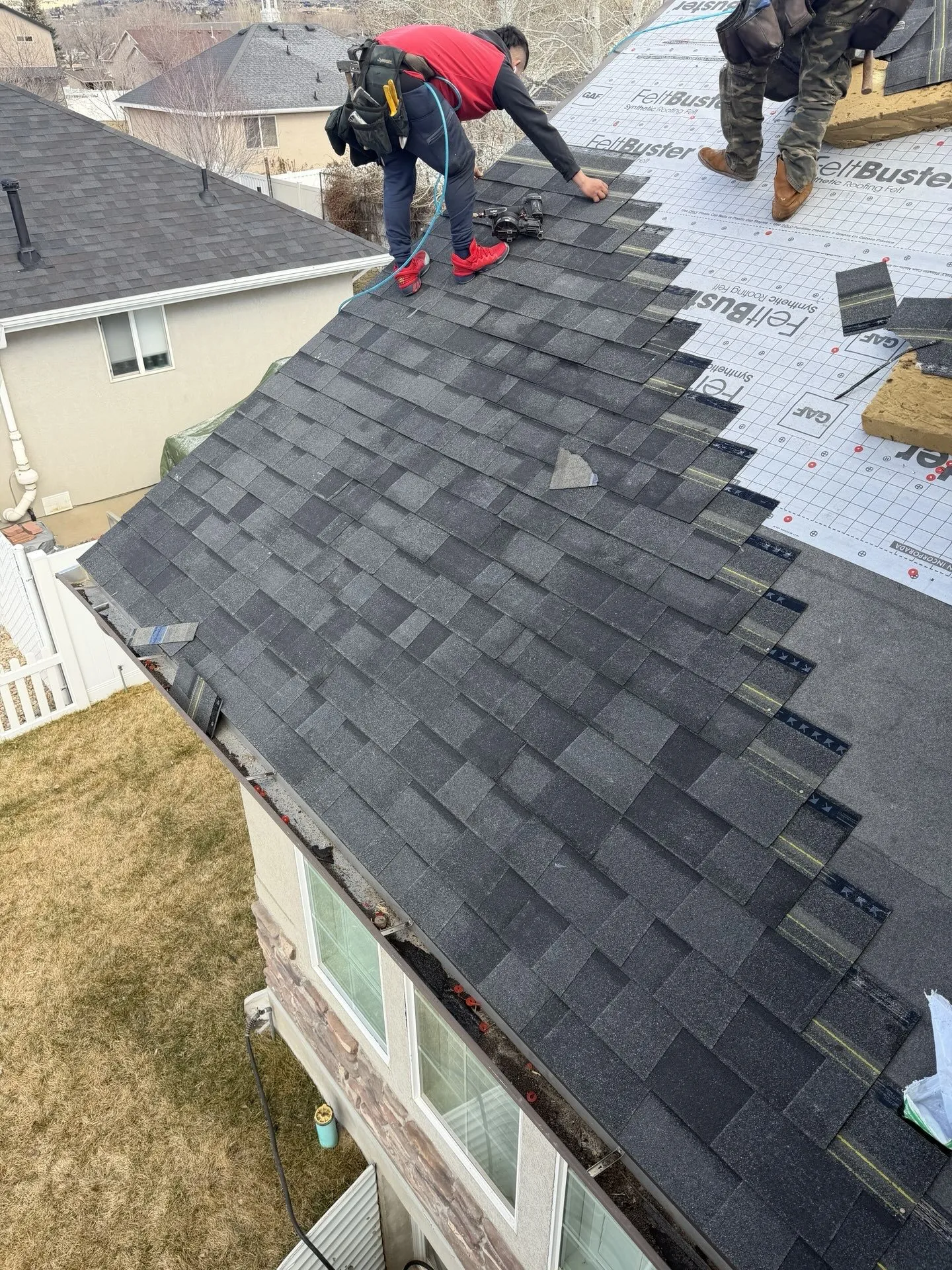
Emergency Roof Tarping
in Utah
When your roof is compromised and water is coming in, fast stabilization matters. Frame Restoration Utah provides 24/7 emergency roof tarping across the Wasatch Front to limit additional water entry and protect the home while permanent roof repair is planned.
When You Need Emergency Tarping
Emergency roof tarping is the critical first step after any event that leaves your roof exposed to the elements. Without immediate protection, a compromised roof can lead to thousands of dollars in secondary damage — water-soaked insulation, destroyed drywall, mold growth, and even structural rot.
Common situations that require emergency tarping include:
- Hailstorms that crack or dislodge shingles, exposing the roof deck
- High winds that peel back large sections of roofing material
- Fallen trees or large branches that puncture the roof
- Heavy snow loads that cause partial roof collapse or structural failure
- Active leaks during rain or snowmelt that cannot wait for a scheduled repair
- Fire damage that leaves portions of the roof open to weather
Our Emergency Response Process
When you call Frame Restoration Utah for emergency roof tarping, the response is systematic: identify the active leak, confirm whether the roof is safe to access, stage the tarp, photograph the condition, and document what temporary protection was installed.
- Immediate Phone Assessment: We gather details about the damage over the phone so our crew arrives with the right equipment
- Same-Day Dispatch: Our tarping crews are available when you need us and can typically be on-site within hours across the Wasatch Front
- Professional Installation: We use heavy-duty tarps secured with lumber and fasteners — not lightweight hardware-store tarps that often fail during the next gust event
- Damage Documentation: While on-site, we photograph visible roof conditions, tarp placement, leak paths, and the temporary mitigation work for the homeowner record
What Happens After Tarping
Emergency tarping is a temporary solution designed to prevent further damage while permanent repairs are planned and scheduled. Once your roof is tarped and secured, Frame Restoration Utah shifts into full assessment mode.
We conduct a thorough inspection of the entire roof — not just the obviously damaged areas — to identify every issue that needs to be addressed. We then provide you with a detailed scope of work and help you decide whether a repair or full replacement makes the most sense based on the extent of the damage, the age of your roof, and your carrier coverage.
A correctly secured tarp is temporary protection, not a permanent roof repair. It gives the homeowner time to assess the roof, review documentation, and schedule permanent work without leaving the home open to weather.
Carrier Review & Emergency Tarping
Emergency tarping is often reviewed by carriers as mitigation work after a covered event, but coverage depends on your policy terms, cause of loss, and carrier findings. Many policies also expect homeowners to take reasonable steps to protect the property after damage.
Frame Restoration Utah documents the tarping work with photos, receipts, and a detailed report you can share with your carrier. This documentation helps establish the timeline and visible severity of the damage while the final coverage decision stays between you and your insurer.
Emergency Tarping Checks We Document
A tarp is temporary protection, but the documentation needs to be precise. We record the cause, location, exposed roof materials, active leak path, and what was done to prevent further water entry.
- Safety: OSHA fall-protection guidance is the reason we keep homeowners off wet, damaged, or wind-loosened roof planes after an emergency.
- Weather context: The NWS Salt Lake City Climate Book helps anchor storm timing, freezing conditions, snowfall, and rainfall context in the roof record.
- Ice barriers: IRC R905.1.2 ice-barrier guidance matters when damage sits near eaves, valleys, or heated roof edges because water can back up under shingles after freeze-thaw cycles.
- Mitigation record: Photos, receipts, and timestamps help separate emergency protection from permanent repair scope during carrier review.
Emergency Roof Tarping Evidence Sources
For Utah emergency roof tarping, the strongest record is not a generic storm claim. It is a timed, photographed mitigation record that ties the leak path, tarp location, weather context, and future repair scope together.
- NWS Salt Lake City climate records help document storm timing, freeze-thaw context, rainfall, wind, and snow conditions.
- OSHA fall-protection guidance supports the safety-first rule: homeowners should not climb on wet, damaged, or wind-loosened roof planes.
- IRC R806.2 ventilation guidance helps separate leak symptoms from condensation or attic-airflow issues after a storm.
- IRC R905.1.2 ice-barrier guidance supports temporary and permanent repair planning around eaves, valleys, and freeze-thaw zones.
- Utah Commerce home-improvement guidance and Utah DOPL licensing help homeowners verify a contractor before emergency work proceeds.
From our blog: Roof Leaking After a Rainstorm in West Jordan? — steps to take immediately when your roof starts leaking.
Roof Emergency? Call Now
24/7 emergency roof tarping across the Wasatch Front, with response based on crew availability, weather, and safety conditions.
Call 435-292-8802 Schedule InspectionOther Services We Offer
Frame Restoration Utah is more than just one service. Explore our full range of solutions.