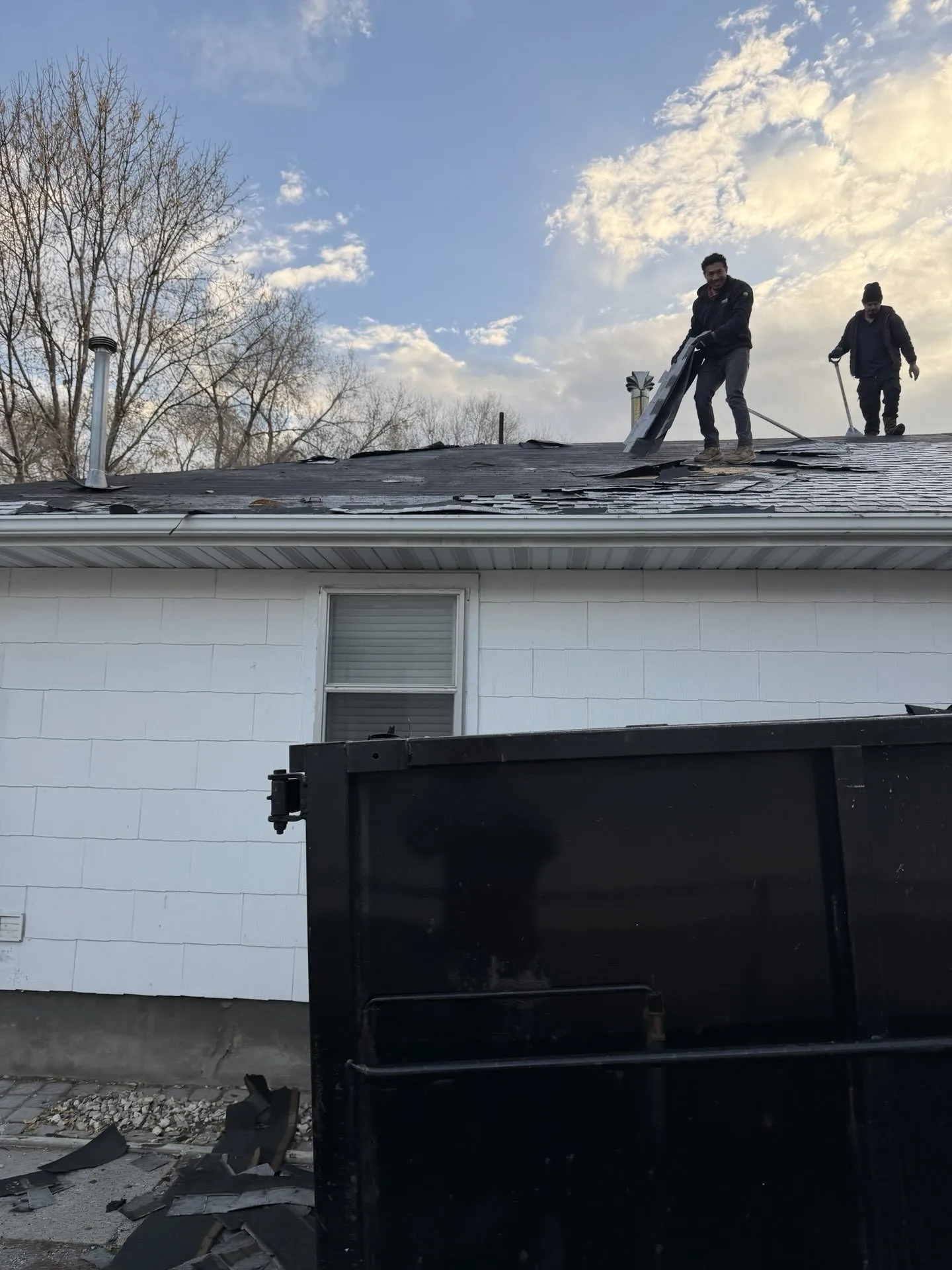
Siding Replacement and Repair in Salt Lake City
The morning after the storm, the west side of the house looks like someone went at it with a hammer: cracked vinyl under the eaves, a corner piece hanging by one nail, and a pale gap where a panel blew off. We repair and replace vinyl and fiber-cement siding in Salt Lake City and tie it back into the roof flashing. Call 435-292-8802 to book an inspection.
A city of brick, stucco, and siding
Siding replacement and repair in Salt Lake City covers vinyl and fiber-cement siding, storm-damaged panels, and the trim and flashing where walls meet the roof. Frame Restoration Utah is a roofing contractor first, so siding work here is scoped together with the roof edge, gutters, and step flashing beside it.
At a glance: siding in Salt Lake City
- Materials
- Vinyl and fiber-cement siding, exterior trim and corners
- Scheduling
- Siding work is booked during business hours: Mon–Fri 8am–7pm, Sat 8am–6pm, Sun closed
- Storm opened the wall?
- Emergency tarping and storm response, 24/7: 435-292-8802
- Historic districts
- Exterior work in a local historic district needs a Certificate of Appropriateness before a permit. Check with the city first.
- Coverage
- Served from our Salt Lake City service-area profile, which covers the Wasatch Front. We come to you.
- License
- Licensed Utah contractor (DOPL #14256097-5501)
Salt Lake City’s houses are older than most on the Wasatch Front. Census ACS 2020–2024 estimates put the median year built at 1965 and count about 45 percent of homes as built before 1960. Plenty of those are brick bungalows and stucco cottages, but siding turns up everywhere: on gables and dormers above a brick first floor, on rear additions, on postwar ramblers, and on the townhomes and infill built since 2010, which make up about one in six homes in the same estimates.
That mix means a Salt Lake City siding job is rarely a whole-house wrap. More often it is a storm-damaged elevation, a gable that has been leaking behind the panels, or an addition that needs to match the original. The real work is matching profile and color, opening the wall to see what is behind it, and getting the flashing right where the siding meets the roof.
Siding work in Salt Lake City
The work falls into four kinds.
Storm-damaged elevations
Hail- and wind-damaged panels, photographed and repaired or replaced, often alongside the roof and gutters.
Vinyl repair and replacement
Panels matched to the existing profile and color where possible, or a full elevation replaced.
Fiber-cement siding
A heavier, more impact- and fire-resistant option when you are replacing a wall or the whole house.
Trim and flashing
Corners, trim, and the kick-out and step flashing where siding meets the roof, windows, and doors.
How a Salt Lake City siding job runs
Four steps, from the first look to the last piece of trim.
-
1. The walk-around
Every elevation gets looked at, starting with the side that faced the storm. Cracks, holes, loose courses, and dented trim are photographed, and the roof edge and gutters are checked on the same visit. If the house is in a local historic district, that is noted up front.
-
2. Matching and approvals
For a repair, we find the closest available profile and color. For a replacement, you choose the material and color before anything comes off. In a local historic district, you get a written scope and material details to include with a Certificate of Appropriateness application before any permit.
-
3. Opening the wall
Old panels come off and the sheathing, house wrap, and flashing behind them are inspected. Soft or wet sheathing is recorded and addressed before new siding goes on.
-
4. Closing it up
New siding and trim, with kick-out and step flashing where the wall meets the roof, finished so water runs down and away instead of behind.
Does siding work in a Salt Lake City historic district need approval?
Usually, yes. Salt Lake City has fourteen local historic districts, including the Avenues, Capitol Hill, Central City, South Temple, University, and Yalecrest. The city says all exterior work on a property in a local historic district, except paint color and minor maintenance, needs approval before work starts and before a building permit is issued. That approval is called a Certificate of Appropriateness.
For siding replacement and repair in Salt Lake City, that puts the planning conversation first. Ask the city’s historic preservation staff whether your project needs a Certificate of Appropriateness, and expect material and profile choices to carry more weight in a historic district than elsewhere. Outside those districts, check the city’s building permit requirements for your project.
What Salt Lake City weather does to siding
The sun at this elevation is hard on vinyl, and south- and west-facing walls fade and turn chalky first. Winter adds freeze-thaw cycles that work small cracks a little wider each year. Then summer storms bring hail and gusty outflow wind, so one side of a Salt Lake City house can be pocked and split while the other three look fine.
Cracked or missing siding lets water reach the sheathing, which is where rot starts, usually out of sight until a soft spot shows up under a window. If water has already reached the inside of the wall, see water damage restoration in Salt Lake City.
Gables, dormers, and the joints that leak
Older Salt Lake City homes have a lot of places where a wall meets a roof: gable ends, dormer cheeks, porch roofs, and the seam where a rear addition was tied in. Those joints are where water gets behind siding, through a missing kick-out flashing, step flashing buried under old panels, or trim that was never sealed.
Frame Restoration Utah treats each of those transitions as part of the roof, so siding replacement and repair in Salt Lake City is scoped together with the roof edge next to it. If you are planning roof work, it is a good time to look at the siding beside it. See storm and hail damage roof repair in Salt Lake City.
Checking your siding after a Salt Lake City storm
Walk the sides of the house that faced the weather and look for cracked or holed vinyl, chipped fiber cement, dented trim, and loose panels. Photograph each elevation from the ground, and stay off ladders in the wind. If the storm tore the wall or roof open, emergency tarping and storm response are available 24/7 at 435-292-8802.
Siding damage usually means the roof and gutters took hits too, so all three get inspected and photographed together. You get a written scope you can share with your insurer; coverage decisions stay between you and your insurance company, and we do not adjust claims. See roof insurance claims in Utah.
What affects the scope of siding work in Salt Lake City
Siding is scoped wall by wall, so there is no price list here. These are the factors that move a Salt Lake City siding scope, and what we document for each.
| Factor | Why it matters | What we document |
|---|---|---|
| Wall area | A single elevation is a different job from the whole house. | Measurements of each elevation. |
| Material | Vinyl and fiber cement install differently and use different trim details. | The existing material and the one you choose. |
| Matching | Older profiles and faded colors can be hard to match on a partial repair. | The closest available match, photographed against the existing siding. |
| Sheathing and house wrap | Soft or wet sheathing behind old panels has to be dealt with first. | Photos and notes of what was behind the siding. |
| Trim and flashing | Kick-out, step, and window flashing add detail work. | Each flashing detail replaced or added. |
| Stories and access | Two-story walls, steep lots, and tight side yards take more setup. | Access notes for each elevation. |
| Historic-district review | A Certificate of Appropriateness can shape material choices and timing. | Whether the property is in a local historic district. |
Before your siding inspection
Have these ready for a more accurate Salt Lake City siding scope.
- The storm date, if the damage came from a storm.
- Photos of each side of the house.
- The existing siding type, if you know it.
- Whether the home is in a local historic district.
- HOA rules on exterior materials and colors, if you have an HOA.
- Any interior water stains near exterior walls.
Our work in Salt Lake City
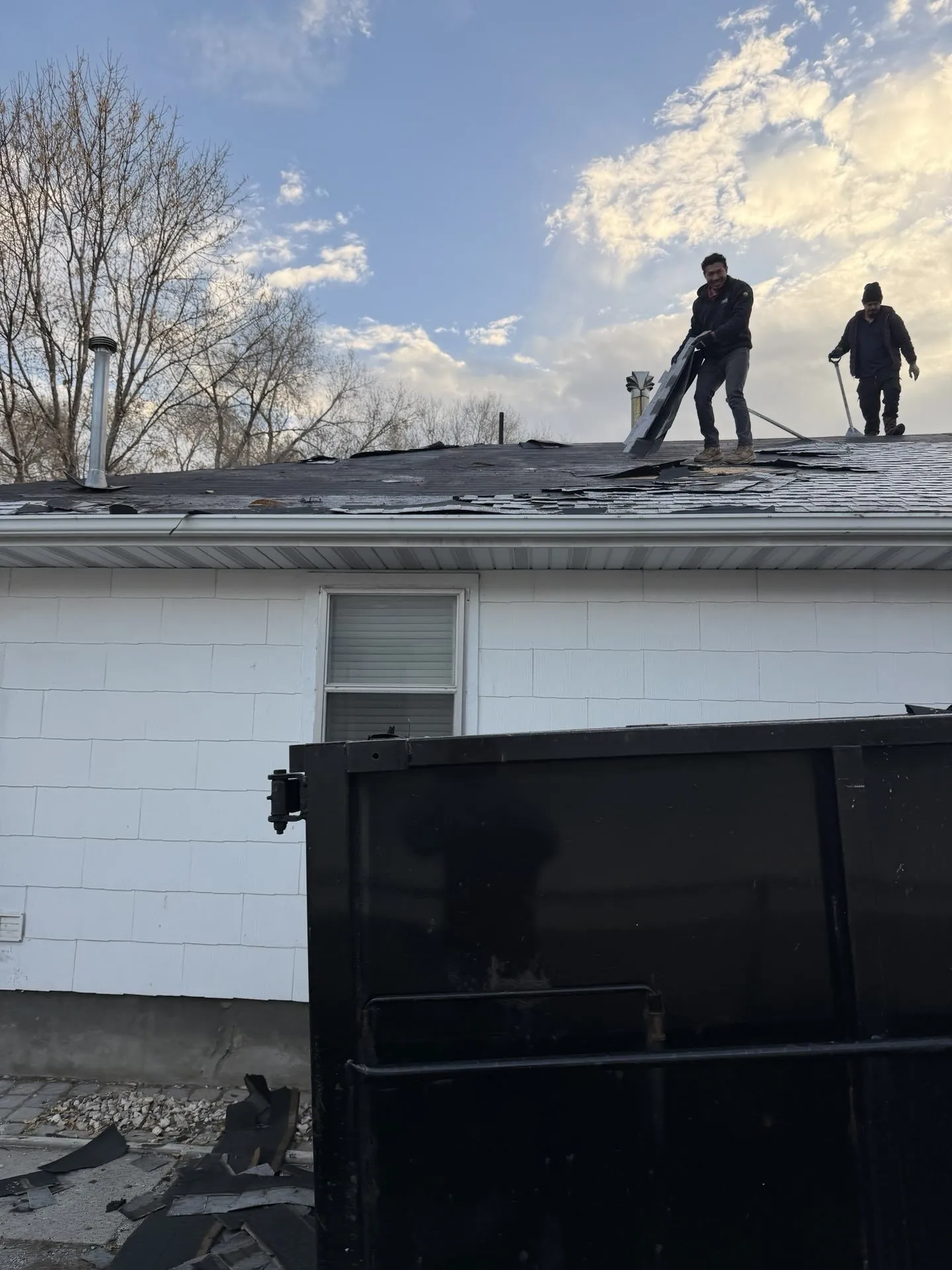
We do not have Salt Lake City siding photos to publish yet. These are roof projects in Salt Lake City, captioned with what they show.
Related pages
Salt Lake City Roofing
Roof repair, replacement, and the full Salt Lake City FAQ →
Siding Replacement and Repair in Utah
Materials, storm damage, and how siding meets the roof →
Storm Damage Roofing in Utah
Hail and wind inspections statewide →
Salt Lake City Storm Damage
Hail and wind damage to roofs in Salt Lake City →
Salt Lake City siding questions
Public sources behind this Salt Lake City siding page
Housing data, historic-district rules, permits, storm data, and licensing.
- U.S. Census ACS 2020–2024 5-Year Estimates: Salt Lake City (via Census Reporter)
- Salt Lake City Historic Preservation: Living in a Local Historic District
- Salt Lake City Historic Preservation: Applications and Approvals
- Salt Lake City Building Services: Building Permits
- National Weather Service Salt Lake City: Climate Book
- NOAA Storm Prediction Center: Storm Reports
- Utah DOPL: Contractor License Lookup
More exterior work in Salt Lake City
Want someone to look at the siding?
Book one visit to look at the siding, the roof edge, and the gutters together.
Call 435-292-8802 Contact Options