Storm Damage
Roof Repair in Draper
Draper spans valley-floor, bench, and higher-elevation neighborhoods near Point of the Mountain and Corner Canyon. Because exposure can change by property, Frame Restoration Utah responds 24/7 and documents the roof conditions actually present.
Storm Damage Roof Repair in Draper, Utah
Draper Storm Damage — Quick Facts
Frame Restoration Utah provides 24/7 storm response in Draper, including temporary protection, wind- and hail-condition documentation, and repair estimates based on an inspection. The National Weather Service defines severe thunderstorms as capable of wind gusts over 58 mph or hail at least 1 inch in diameter, but those thresholds do not prove that a specific roof was damaged. Licensed Utah contractor (DOPL #14256097-5501), BBB Accredited. Serving ZIP 84020. Call 435-292-8802.
Draper's geography varies substantially within ZIP 84020. Homes near the valley floor, western benches, Corner Canyon, and SunCrest do not share identical elevation, terrain, or wind exposure. Those differences are useful inspection context, but they are not a diagnosis. The report should identify which roof slopes face the observed weather path, where materials moved or remained intact, and whether interior moisture corresponds to an exterior opening.
Newer and older roofs both require property-specific evaluation. Age can affect material flexibility and repair options, but it does not establish whether a storm caused damage. A useful inspection separates storm-created conditions from installation details, maintenance issues, and ordinary wear, then explains which items need temporary protection, repair, replacement, or monitoring.
After a Windstorm Hits Draper
- Start from a safe location. Follow active NWS warnings and do not inspect outdoors while lightning, hail, or damaging wind is present.
- Photograph the ground and exterior. Record displaced materials, damaged gutters, fallen limbs, and roof edges from the ground; do not climb onto a wet or uncertain roof.
- Check the interior. Photograph ceiling stains, attic drips, or water near penetrations and note when each condition was first observed.
- Leaking now? Call 435-292-8802. Temporary protection can limit additional exposure while the permanent repair scope is evaluated.
- Verify the contractor. Use the Utah DOPL Licensee Lookup and review the written scope, insurance information, and warranty terms before authorizing work.
What We Repair After Draper Storms
Wind-Related Shingle Conditions
Displaced, creased, or missing materials documented by slope, with repair details based on the applicable code, product instructions, and conditions found.
SunCrest Snow & Ice Damage
Eaves, flashing, ventilation, and visible snow- or ice-related conditions evaluated before a repair detail or material is recommended.
Hail Documentation & Repair
Slope-by-slope photographs and notes that distinguish observed material conditions from weather reports or assumptions.
24/7 Emergency Tarping
Temporary protection after a safety assessment, with before-and-after photographs and the materials used recorded for the homeowner.
Storm Damage Documentation
Frame Restoration Utah's role is construction documentation: photographs, measurements, slope notes, and a written repair scope your carrier can review if you choose to file a claim. The carrier determines coverage. We document roof facts and construction scope; we do not adjust claims, interpret policy coverage, or negotiate a settlement for the homeowner. The Utah Insurance Department's homeowner-claims guidance recommends photographing damage, preventing further damage where practical, and saving temporary-repair receipts.
A Scope Based on the Roof, Not the Weather Alert
A weather report establishes context, not a repair scope. The recommendation should connect each proposed item to a documented condition and identify the affected slope or component. For a larger scope, the contractor should explain how roof covering, underlayment, flashing, ventilation, and deck conditions affect the work, then confirm the applicable Draper permit requirements and manufacturer instructions.
What a Draper Roof-Condition Report Should Include
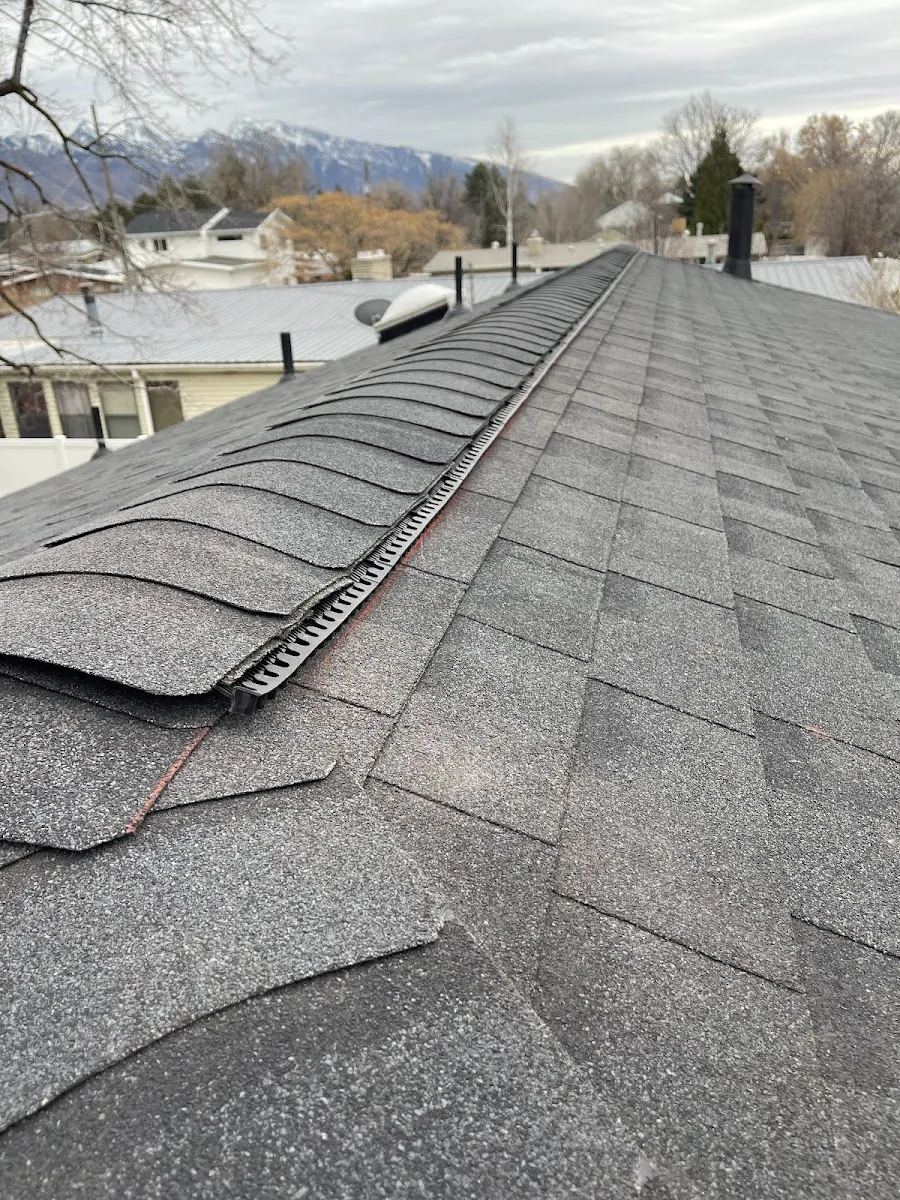
A useful report starts with the property address, inspection date, roof-covering type, approximate roof age if known, and a diagram or clear slope labels. Overview photographs establish orientation; close-ups should show the condition in context rather than only a tight image of a mark. The report should also identify ridge and hip caps, roof edges, flashings, vents, pipe boots, valleys, gutters, and any accessible interior evidence related to water entry.
The repair recommendation should separate immediate safety or temporary-protection needs from permanent work. It should state what can be repaired, what requires further evaluation, whether matching materials are available, and what was not accessible during the inspection. If a claim is involved, the homeowner can share that factual construction record with the carrier while coverage and settlement decisions remain with the carrier.
Draper evidence checks we verify
Draper storm inspections record six property-specific items before a repair or replacement recommendation: surrounding terrain, relative elevation, roof-slope orientation, attic ventilation where accessible, flashing and edge details, and whether city permit or inspection requirements apply to the proposed scope. Draper's Building Services Portal provides permit guidance. The International Residential Code is a model-code reference; the applicable adopted edition and local requirements must be confirmed for the actual project.
Draper storm inspection notes we document
Draper inspections account for each property's surrounding terrain, relative elevation, roof orientation, and access. We map observed conditions by slope so a displaced ridge cap is documented separately from a mark on another roof face, and neither condition is attributed to a weather event without property evidence.
The field notes also call out roof age when known, vents, starter strips, pipe boots, edge flashing, prior repairs, and material condition. A recent roof can still require evaluation, while an older roof may show ordinary wear unrelated to the latest storm. The report separates those observations before recommending monitoring, repair, or replacement.
How the Draper Repair Estimate Is Built
After the condition report is complete, the estimate should identify measured quantities, affected roof slopes, proposed materials, removal and disposal, access or staging needs, and any permit-dependent work. Temporary protection should appear separately from permanent repairs so the homeowner can see what has already been completed and what remains. If concealed deck damage cannot be confirmed before removal, the estimate should describe that uncertainty and explain how a change would be documented.
A storm inspection does not have to end with a sale. If the visible conditions do not support storm-related repair, the homeowner should receive a clear explanation and photographs of what was checked. Maintenance items such as sealant aging, debris, ventilation concerns, or an isolated worn component can be listed separately from storm observations. That distinction gives the owner a useful roof record without turning every weather event into a replacement recommendation.
Wind took the ridge caps? Draper crews are on call.
24/7 emergency response. Free inspections. 10-year workmanship warranty for covered installation work; written terms apply.
☎ Call 435-292-8802 Request Free Inspection →Storm Resources for Draper
Draper Storm Damage FAQs
Storm Response Near Draper
Free Storm Damage Inspection in Draper
No pressure. No obligation. A property-specific report on the roof conditions present — bench, valley floor, or SunCrest.
Schedule Now Call 435-292-8802