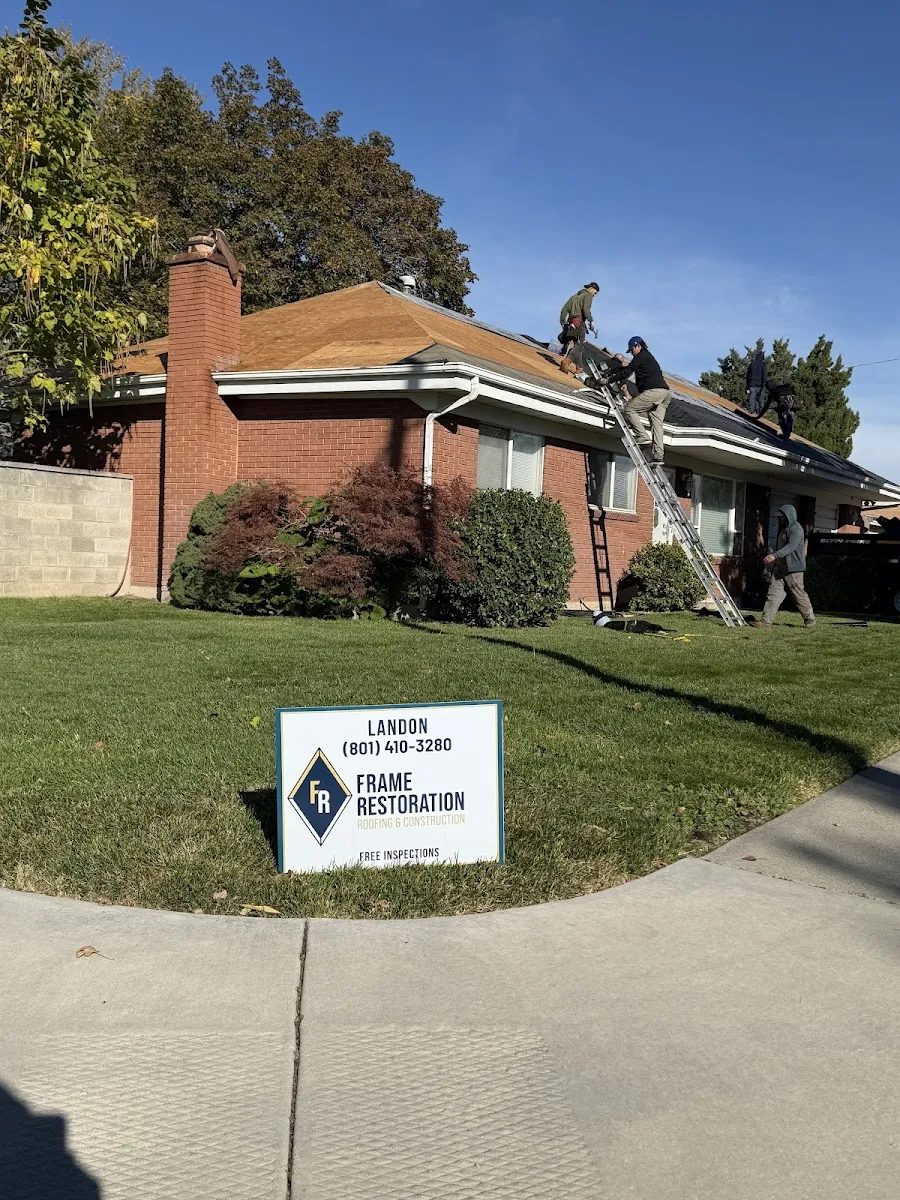
Why roof-condition documentation matters after storm damage
When a severe storm hits Draper, the damage happens fast. High winds, hail, or fallen trees can compromise your roof in minutes, leaving your home vulnerable to water infiltration and further structural damage. The difference between clear documentation and a rushed verbal estimate can be thousands of dollars in misunderstood scope, missed repairs, or preventable interior damage.
Coverage is policy-specific, so the contractor's job is not to promise an outcome. Frame Restoration Utah documents visible storm conditions with photos, measurements, repair notes, and material observations so the homeowner has a clearer record for maintenance decisions, construction planning, or carrier review.
Acting within the first 48 hours of a storm is useful because evidence changes fast: hail melts, loose granules wash away, branches get moved, and water stains spread. Start the paper trail early, then decide the right next step from documented roof facts.
Common Storm Damage Types in Draper
Draper's elevation and location in the Wasatch Front mean spring and early summer storms can be severe. We commonly see three types of storm damage that deserve documented inspection:
- Hail damage: Hail dents shingles, creating weak spots where water pools and eventually leaks. Even small hail can significantly shorten roof lifespan.
- Wind damage: Strong winds tear shingles away, expose underlayment, and can damage flashing around chimneys and vents. Wind-driven damage is the most common claim we handle.
- Tree damage: Falling branches or trees directly puncture roofs or cause widespread impact damage. Photograph the limb and roof condition before cleanup when it is safe to do so.
In Draper neighborhoods like Promontory and South Draper, wind and hail often hit upper-bench roof planes differently than valley-floor homes. Clear photos, soft-metal checks, and slope-by-slope notes help separate storm impact from age, wear, and maintenance issues.
When should I document storm damage?
Document immediately after the storm passes and you've confirmed it's safe to be outside. Capture photos or video while evidence is fresh, save the storm date, and get a professional inspection within the first few days when possible. If active water is entering the home, emergency mitigation comes first.
Step-by-step roof-condition documentation process
Understanding the documentation process reduces stress and helps you avoid costly mistakes. Here's how it works for roof damage in Draper:
1. Document Everything Immediately
Before the carrier representative arrives, take clear photos and video of all visible damage. Shoot from multiple angles in good lighting. Document damage to gutters, flashing, vents, and the ground around your home as well. Write down the date and time of the storm. These photos are your evidence if disputes arise later.
2. Review your carrier process
Policy notice windows and carrier steps vary. If you decide to request carrier review, provide the storm date, a brief description of visible damage, and the photos or contractor notes you already have. Keep the carrier's reference number and next-step instructions in the same roof-condition file.
3. Get a Professional Roof Inspection
Frame Restoration Utah's inspectors are trained to identify both obvious and hidden damage. We document everything with photos, measurements, and detailed notes. A professional inspection helps the homeowner understand what happened to the roof, what needs repair, and what construction details matter if carrier review is requested.
4. Carrier review if requested
If carrier review is requested, the representative may inspect the roof, use photos, or ask for additional documentation. They may note the roof's age, condition, and type of material. The homeowner can share contractor photos, measurements, and scope notes, but coverage decisions remain with the carrier.
5. Review the Estimate
Review the repair scope carefully. Make sure the material assumptions, flashing details, ventilation notes, roof penetrations, and code-related items match what is actually on the roof. Frame Restoration Utah can explain construction details and identify missing repair items in a contractor scope.
6. Choose Your Contractor and Schedule Repairs
You have the right to choose any qualified contractor to perform repairs. Frame Restoration Utah is a licensed, insured Utah roofing contractor. We'll inspect the roof, document visible damage for your roof-condition file, explain the construction scope, and make sure the repairs meet applicable building-code requirements in Draper 84020.
What if carrier review does not match what I see?
Review the explanation carefully and separate coverage questions from construction questions. Common issues include prior wear, maintenance concerns, or missing storm-date evidence. Frame Restoration Utah can provide construction documentation of visible roof conditions, but policy decisions and appeals stay between the homeowner, carrier, and any properly authorized professionals.
What carrier representatives may review during inspections
Carrier representatives are trained to distinguish between storm impact, wear and tear, and maintenance conditions. Knowing what they may assess helps you prepare a better roof-condition file:
- Sudden, visible impact: Adjusters look for evidence of a specific event. Hail marks, broken branches, or torn shingles indicate a storm caused damage.
- Roof age and condition: Older roofs with pre-existing wear may be reviewed differently. Representatives examine granule loss, curled shingles, and moss growth.
- Maintenance history: Gutter overflow, overhanging branches, prior leaks, and deferred repairs can complicate review because maintenance and storm impact may overlap.
- Multiple damage points: Storm damage is usually widespread. Damage limited to one small area raises suspicion. Adjusters expect to see consistent damage patterns across the roof.
- Interior damage: Water stains on ceilings or walls help establish when water entered and which roof area may be involved.
Frame Restoration Utah's inspectors prepare documentation around roof facts: visible impact, slope location, material type, roof age indicators, flashing condition, and water-entry clues. For homeowners in Draper facing storm damage, professional construction documentation makes the next conversation clearer.
How Frame Restoration Utah helps with roof documentation
We're not just a roofing company — we help homeowners understand and document the roof facts before repairs begin. Here's what we provide:
- Professional damage assessment: We document visible roof conditions with photos, measurements, and written descriptions.
- Detailed repair estimates: Our estimates include itemized labor, materials, roof penetrations, flashing, ventilation notes, and code-related construction items.
- Technical documentation: When the homeowner requests it, we can answer construction-scope questions and provide roof facts for review.
- Emergency protection: If your roof is severely damaged, we provide emergency tarping to prevent additional water damage while permanent repairs are scheduled.
- Quality repairs: We complete repairs using quality materials and skilled labor that meets applicable building-code requirements in 84020.
Many Draper homeowners don't realize they can hire a contractor to inspect the roof before they decide the next step. Policy costs, payment timing, depreciation, and homeowner responsibilities are policy-specific; our lane is roof documentation and construction repair.
What policy costs should I check before repairs?
Policy costs and out-of-pocket responsibilities vary by policy. Check your declarations page for deductibles, wind and hail terms, depreciation language, and any percentage-based terms. Frame Restoration Utah can explain the construction estimate and repair scope; policy-cost questions should be confirmed directly with your carrier.
Common roof-documentation mistakes to avoid
Homeowners in Draper often make mistakes that make storm review and repair planning harder. Here's what to avoid:
- Waiting too long to document: Policy notice windows vary, but delayed photos and missing storm dates make carrier review harder. Start the paper trail promptly.
- Starting non-emergency repairs before carrier review: Emergency mitigation comes first, but permanent repair scope should be documented before work begins so the record is clear.
- Skipping contractor documentation: A professional inspection can identify construction details that are difficult to see from the ground.
- Poor documentation: Photos taken in bad light or with poor angles make review harder. Get professional photos that clearly show damage location, scope, and severity.
- Underestimating repair costs: Do not accept a scope you do not understand. Frame Restoration Utah's detailed estimates help identify construction items that may need carrier review.
- Ignoring water damage: Document any water stains, mold, or interior damage. This keeps your roof-condition file clearer if your carrier reviews the interior damage timeline.
Frame Restoration Utah helps Draper homeowners avoid these mistakes by guiding them through each documentation step. Coverage decisions stay with the carrier; our job is to provide clear roof evidence and a construction scope.
How Different Storm Damage Gets Reviewed
Not all storm damage is reviewed the same way. Coverage depends on your policy language, cause of loss, deductible, exclusions, and carrier findings.
Sudden-event damage: Hail, high winds, falling trees, and lightning strikes are usually reviewed as storm events, but the carrier still determines whether the observed roof condition matches the policy.
Maintenance or age questions: Tree maintenance, old brittle shingles, prior leaks, and deferred repairs can complicate review because carriers may separate storm damage from pre-existing conditions.
Separate policy issues: Flood damage, interior water damage, code upgrades, and depreciation recovery can involve separate policy terms. Review your declarations page and ask your carrier before assuming an outcome.
Frame Restoration Utah can explain the roof construction scope and document visible damage during Draper 84020 inspections. We do not decide coverage and we do not adjust claims.
After Repairs Are Complete
Once Frame Restoration Utah completes repairs, we provide warranty documentation and detailed receipts. Keep these documents in case you need them for future claims or when you sell your home. We also recommend scheduling annual roof inspections to catch any new damage early and document your home's condition for insurance purposes.
The documentation process is just the beginning. Proper repairs and maintenance ensure your roof continues protecting your Draper home for decades. Let Frame Restoration Utah handle the technical details so you can have confidence in your roof's durability and your home's safety.
Ready to document your Draper roof?
If your Draper roof was damaged by a storm, don't wait. Frame Restoration Utah can inspect the roof, document visible damage, explain the construction scope, and schedule repair work when needed.
Call Frame Restoration Utah today at 435-292-8802 for a free inspection. We'll document damage, review the roof-condition evidence, and explain the next construction steps. Our team serves all of Draper and the surrounding Utah communities.