QUICK ANSWER: After a summer thunderstorm in Bluffdale, stay off the roof, photograph any damage from the ground within 48 hours, and get a Utah-licensed roofer to document the scope before cleanup. Bluffdale's spot at the base of Point of the Mountain funnels strong gap winds, and July-through-September monsoon storms add microburst downdrafts and hail. Frame Restoration Utah is licensed, insured, BBB Accredited, and dispatches storm-response crews 24/7 across Bluffdale (84065). Call 435-292-8802 for emergency response or a free, no-obligation inspection.
Why Bluffdale Roofs Take Summer Storms Harder Than the Valley Average
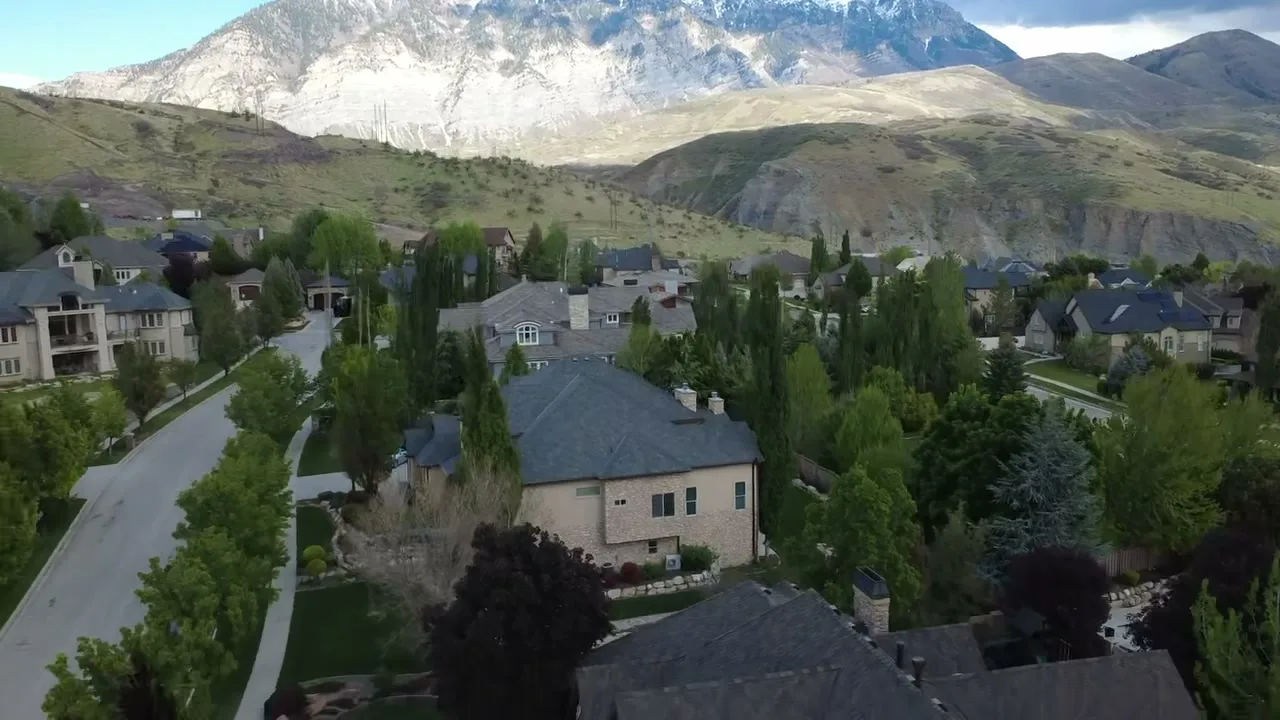
Bluffdale sits at the far south end of the Salt Lake Valley, right at the northern base of Point of the Mountain — the gap in the Traverse Mountains that separates the Salt Lake and Utah valleys. That gap is exactly why paragliders flock to the ridge: it funnels and accelerates wind. The same geography that makes the Point a wind sport destination pushes stronger, gustier winds across Bluffdale rooftops than most Wasatch Front neighborhoods see. Frontal passages and afternoon outflow can arrive as sustained 40 to 60 mph gusts on exposed planes near the ridge, Camp Williams, and the newer benchside subdivisions.
Layered on top of that wind exposure is the summer monsoon. From roughly mid-July through September, Utah pulls in tropical moisture that fires afternoon and evening thunderstorms across the southern valley. These storms are short but violent: microburst downdrafts slam straight down and then race outward, driving rain sideways under shingle edges, and hail cores of pea to quarter size punch granules loose. Because monsoon cells are small and fast-moving, a home in Independence at the Point can take a direct hit while a home three miles north in Bluffdale's older grid stays dry — the storm that damaged your roof may never have touched your neighbor's.
Bluffdale's housing stock spreads the risk unevenly. The Point-of-the-Mountain benches carry newer subdivisions — Independence, Anthem, and the surrounding developments — with larger custom homes, wide gable ends, and tall rooflines that catch wind. The older core keeps Bluffdale's rural, large-lot character: horse properties, detached garages, barns, and outbuildings that each present their own roof to the storm. Architectural asphalt shingles dominate both, and the failure point is almost always the same — wind lifting an edge, or a monsoon downburst finding a seam that a slower rain never would.
Storm Damage Signs Every Bluffdale Homeowner Should Check
After any wind, hail, or heavy-rain event, walk your property perimeter from the ground first — never climb onto the roof yourself. Look for shingle fragments in the yard, driveway, or pasture, granule piles at the base of downspout splash blocks, dented soft metals (gutters, garage flashing, AC condenser fins, vehicle hoods), and lifted or rotated ridge caps you can see from the sidewalk. On Bluffdale's larger lots, check the downwind fence line and the far side of outbuildings — gap winds tend to drop debris well past the house itself.
Inside, scan every ceiling and check the attic with a flashlight for new dark streaks on the rafters, damp or matted insulation, or daylight showing between sheathing boards. Water stains show up first in the rooms nobody watches closely — closets, garages, spare bedrooms. Any new stain ring, even a small one, is an active leak until proven otherwise. On homes near the Point where wind drives rain uphill under the shingle course, a stain over the back bedroom can trace to a breach one or two planes away.
Pay special attention to pipe boots — the rubber collars around plumbing vents. They fail on a 10-to-12-year cycle and are the single most common leak point after a wind event; most Bluffdale homes have two to four of them. A cracked or leaning boot is an open hole in your roof. Replacing them is a $150 to $300 line item that heads off a several-thousand-dollar interior repair, so budget for it on any post-storm scope even if the boots look intact from the ground.
What To Do in the First 48 Hours After a Bluffdale Storm
Step one is safety. Stay off the roof — storm-loosened shingles cause more homeowner falls than any other roof activity, and Bluffdale's taller benchside rooflines make a slip worse. If a tree limb is on your roof or you see active leaking, call for emergency tarping services immediately. A properly installed temporary tarp prevents tens of thousands of dollars of framing and drywall damage during the five to ten days a permanent repair takes to schedule.
Step two is documentation. Photograph every visible damage point from the ground — roof planes, gutters, soft metals, and any interior stains — and note the date, time, and rough storm conditions. Monsoon cells hit narrow corridors, so a precise timestamp ties your damage to a specific event the National Weather Service already has on record. Thin documentation is the most common reason wind and hail damage is disputed later, so more photos are always better than fewer.
Step three is a documented inspection by a Utah-licensed roofer. You can verify a contractor's license through the Utah Division of Professional Licensing before anyone climbs your roof — out-of-state storm chasers follow every significant hail event into the valley and routinely lack local licensing, insurance, or any accountability when a warranty question surfaces six months later. Frame Restoration Utah provides this inspection free with no obligation, whether or not you decide to request carrier review.
damage documentation for Bluffdale Storm Damage
Policy notice and filing windows vary by carrier and policy form. If your Bluffdale roof took a hit, start the paper trail early even if you are still deciding whether to file: save the storm date, photograph visible damage, and review your policy before assuming a specific deadline.
Here is the honest boundary on what a roofer does and does not do. Frame Restoration Utah documents observed roof conditions and prepares a written construction scope your carrier can review if you choose that route. Coverage and policy-cost decisions stay with the homeowner and carrier. In practice that means we photograph everything before cleanup, measure every plane, put the damage in writing, and keep the roof-condition file organized for homeowner review. Our complete roof-condition documentation guide lays out the full sequence step by step.
One Bluffdale wrinkle worth knowing: the city straddles the Salt Lake and Utah county line, and roof permits and inspections route to Bluffdale City's building department regardless of which county your parcel touches. Newer subdivisions at the Point also carry HOA design controls, so a like-for-like asphalt repair usually clears administratively while a visible material change — a switch to a different profile, color, or standing seam — can trigger design review. We flag which of those applies before work starts so nothing stalls mid-project.
Point of the Mountain Wind: The Bluffdale-Specific Risk
The gap winds that make Point of the Mountain famous are also the reason Bluffdale sees more wind-uplift roof failures than cities tucked deeper in the valley. Accelerated flow through the Traverse gap hits the windward eaves, rakes, and ridges first, peeling shingles at the edges and working under any tab that was never sealed to spec. Homes on the exposed benches near Independence and along the ridge take the brunt; the failure usually starts at a rake edge or hip and unzips downwind from there.
The right fix accounts for that wind load rather than just replacing what blew off. On repairs and reroofs in Bluffdale we install shingles rated for high-wind exposure, use the manufacturer's six-nail high-wind fastening pattern, and reinforce the rake and ridge details that gap winds attack first. On larger properties we inspect the detached garages, barns, and outbuildings on the same visit — those secondary roofs are often older, more exposed, and easy to overlook until they leak into stored equipment or hay.
The Frame Restoration Utah Repair Process
Every storm-damage repair starts with a free, no-obligation roof inspection. Our crew documents the full damage scope with annotated photos, measures every plane, and provides a written estimate within 24 to 48 hours. We work to current International Residential Code (IRC R905) standards and Utah DOPL contractor licensing requirements, and every reroof or major repair carries our 10-year workmanship warranty on top of the manufacturer's material warranty — typically 30 to 50 years on architectural shingles.
For partial repairs, we replace damaged shingles, reseal compromised flashing, install new pipe boots, and reinforce ice-and-water shield in the vulnerable valleys and eaves. For full reroofs, we tear off to the deck, inspect and replace any rotten sheathing, install a complete underlayment system with high-wind fastening, and apply HOA-compliant materials where a Bluffdale subdivision requires them. Our full reroof scope details are here if the storm pushed a marginal roof past the point of patching.
Throughout the work we handle the Bluffdale City permits and inspections and schedule around the monsoon window so your tear-off doesn't start the afternoon before the next microburst rolls off the Point. That scheduling discipline — and the fact that we're still here next year for the warranty — is the practical difference between a licensed local Utah contractor and an out-of-state crew chasing the storm to the next state.
Bluffdale Neighborhood and Property Considerations
Benchside subdivisions near the Point — Independence, Anthem, and their neighbors — combine the highest wind exposure with HOA design controls, so document damage carefully and confirm any material change before agreeing to it. The larger custom homes there simply have more roof surface to inspect, so every plane, ridge, rake, dormer, and accessory structure needs its own photo record. Granule loss is one of the most quantifiable indicators of hail impact, so make sure your documentation captures it plane by plane.
Bluffdale's older large-lot and equestrian properties carry a different profile: multiple structures, longer roof ages, and outbuildings that rarely get inspected until they fail. If a storm hit the house, it hit the barn and the detached garage too. Getting every structure documented on one visit keeps small breaches on secondary roofs from turning into rot over the winter. Whichever part of Bluffdale you're in, the first move after a storm is the same — stay off the roof, document from the ground, and get a licensed set of eyes on it before cleanup erases the evidence.
Frequently Asked Questions
When is storm season in Bluffdale and when should I get my roof inspected?
Bluffdale sees two storm windows. Spring frontal systems bring strong gap winds off Point of the Mountain, and the summer monsoon fires afternoon thunderstorms with microburst winds and hail from roughly mid-July through September. Schedule a free inspection within 30 days of any significant wind or hail event in your neighborhood — monsoon cells are narrow, so your roof can be damaged even if a home a few miles away was untouched.
Why does Point of the Mountain make Bluffdale wind damage worse?
Point of the Mountain is a gap in the Traverse Mountains that funnels and accelerates wind between the Salt Lake and Utah valleys — the same effect that makes the ridge a paragliding destination. That accelerated flow hits Bluffdale's windward eaves, rakes, and ridges first, peeling shingle edges and lifting tabs that were never sealed to spec. Homes on the exposed benches near the Point take the strongest gusts, so wind-rated shingles and a high-wind fastening pattern matter more here than in the valley interior.
Do I need a permit or HOA approval for storm-damage roof repair in Bluffdale?
Roof permits and inspections route to Bluffdale City's building department, even though the city straddles the Salt Lake and Utah county line. A like-for-like asphalt repair usually clears administratively. If your home is in a newer Point-of-the-Mountain subdivision with an HOA, a visible material change — a different profile, color, or standing seam — can trigger design review. Frame Restoration Utah flags which applies before work begins so the project doesn't stall.
What documentation helps after storm damage in Bluffdale?
Photograph everything before cleanup and get a Utah-licensed contractor's documented inspection. Frame Restoration Utah documents observed roof conditions and prepares a written construction scope your carrier can review if you choose that route. Coverage and policy-cost decisions stay with the homeowner and carrier; we document roof facts and construction scope, not claims.
Can I stay in my home during storm-damage roof repairs?
In almost every case, yes. If there is an active leak or a limb on the roof, an emergency tarp stabilizes the home immediately while the permanent repair is scheduled. A typical partial repair takes one to two days and a full reroof two to four, and Frame Restoration Utah schedules around the monsoon window so your roof is never left open ahead of the next storm. Call 435-292-8802 for 24/7 storm response.
Bluffdale evidence checks we verify
Bluffdale storm work needs local evidence before scope lock, especially where Point of the Mountain wind, HOA design rules, and outbuildings change the repair plan.
- 8 local checks are reviewed before scope lock: Point of the Mountain wind exposure, HOA design rules, outbuildings, roof-layer count, pipe boots, ridge caps, ventilation, and Bluffdale permit path.
- 5 storm categories are documented on each inspection: wind-lifted shingles, hail indicators, granule loss, branch or debris impact, and interior water-entry clues.
- 48-hour photo window is the practical homeowner target after a storm because cleanup, sun exposure, and additional weather can change visible evidence quickly.
- R806.2 ventilation and R905.1.2 ice barriers are the code-reference checks we use when a repair expands into replacement or deck work.
Sources & References
- Bluffdale City — Building Department
- Bluffdale City — Building Permits
- National Weather Service — Salt Lake City Climate Book
- Utah Division of Professional Licensing — Contractor Lookup
- International Residential Code R905.1.2 — Ice Barriers
- International Residential Code R806.2 — Minimum Vent Area
- Utah Division of Consumer Protection — Home Improvement Guidance
Frame Restoration Utah serves homeowners across the Wasatch Front and Heber Valley with free post-storm and pre-purchase inspections. Call 435-292-8802 or schedule online. Every repair is backed by our 10-year workmanship warranty.